
A Business Guide to Launching Private Label Skincare Products in 2026
08/06/2026
11-minute read
Last update:
17/06/2026
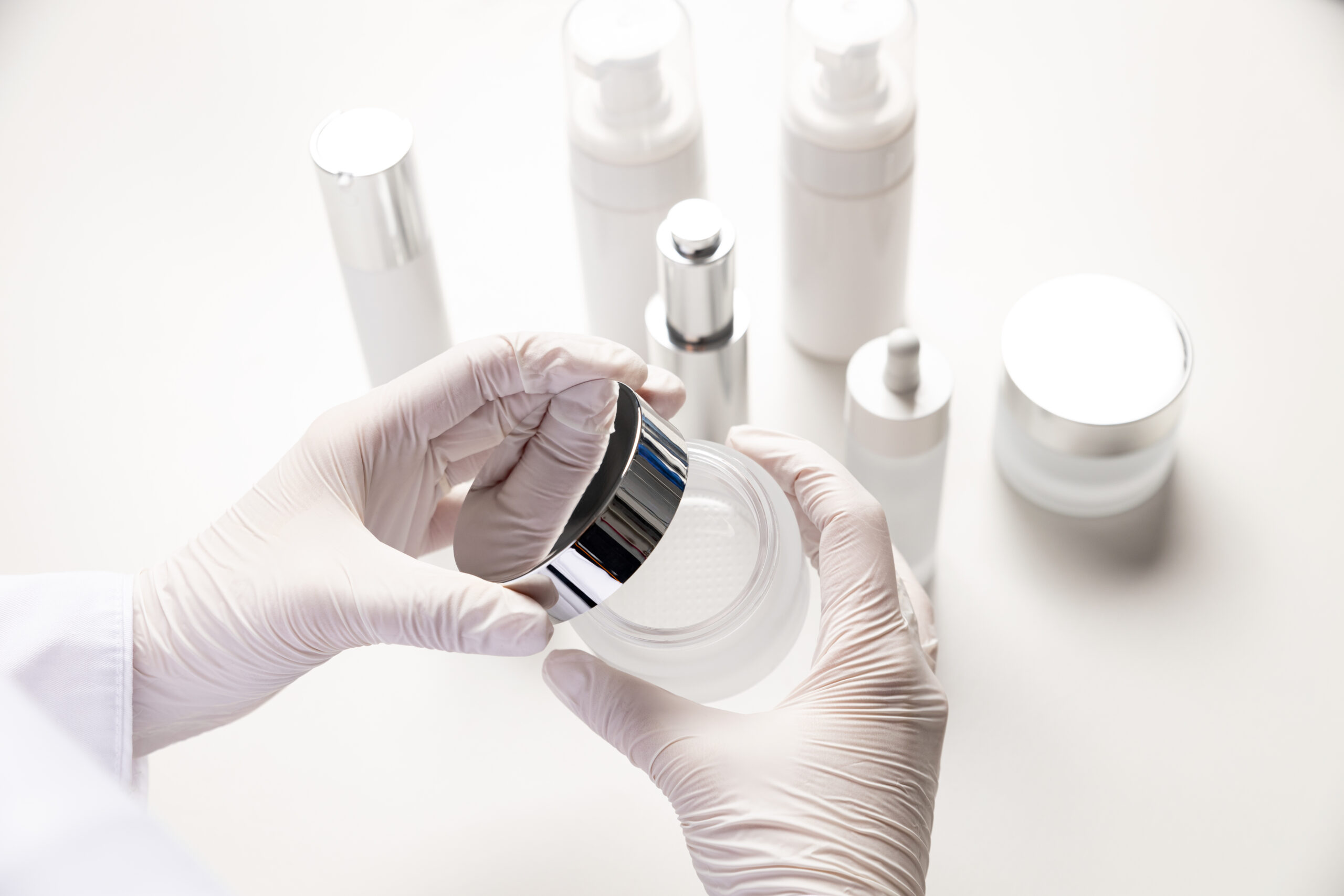

Author: Martyna Wypych
Navigating the competitive skincare market in 2026 requires balancing speed with uncompromising quality. Launching a successful skincare brand no longer requires years of exhausting development loops. Partnering with elite private-label manufacturers provides a seamless path to establish your own line with high-quality formulas that captivate modern consumers. The global skincare market is projected to reach $177 billion by 2025, highlighting the soaring demand for advanced private-label skincare, including premium clean and natural options.
Step 1. Define Your Niche and Brand Vision
Every premium beauty brand begins with a clear, targeted vision. To carve out your space in a crowded market, you must answer three fundamental questions regarding your product’s core purpose:
- What specific skin concerns will your product solve? Your formulation must target a precise need, whether it is deeply hydrating dry skin, delaying the aging process, minimizing acne, or protecting the skin barrier.
- How will you position your brand in the marketplace? Decide whether you are targeting mass-market retail spaces or focusing entirely on premium niche boutiques, specialized retailers, and luxury spas.
- What is your unique value proposition? Determine if your competitive edge lies in absolute naturalness, a rare active component, or an ideal balance between premium quality and operational efficiency.
To ensure long-term market viability, align your brand with modern industry dynamics and conscious consumer expectations. The clean beauty movement emphasizes total transparency in ingredient sourcing and formulation, encouraging brands to disclose all components used in their products to consumers. Modern clean skincare products are explicitly formulated without harmful ingredients such as parabens, sulfates, and synthetic fragrances, making them entirely suitable for sensitive skin types. Embracing these high standards helps you build an authentic connection with your target demographic while safeguarding your formulations from future regulatory shifts.
Step 2. Choose Your Formulation Strategy
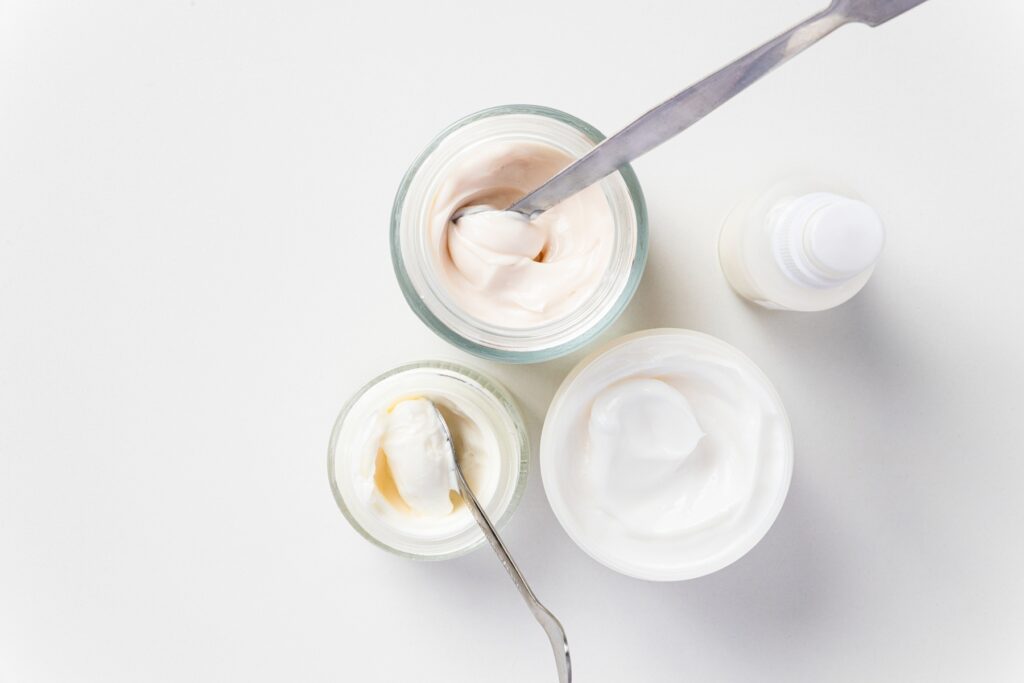
Once you have identified your market niche, you must decide how your formulas will be developed. High-quality private-label skincare products typically offer exceptional profit margins, often ranging between 50–70%, making this an incredibly lucrative business model. Many private-label manufacturers provide options for both ready-made formulations and custom product development, catering to brands looking for quick launches or entirely unique offerings.
Choosing pre-developed stock formulas allows you to bypass lengthy research phases entirely, utilizing optimized, pre-tested bases so you can start selling almost immediately. This accelerated timeline means market entry for private-label skincare products can take just 3–6 months, compared to 18–24 months for traditional, independent product development.
Conversely, if your business strategy demands a completely proprietary product line, investing in custom formulation services through dedicated in-house research and development is essential. Avoid generic white-label products that lack a distinct market identity. Instead, leverage a manufacturer’s extensive formulation libraries, often containing a diverse base of over 10,000 proven ingredients, to integrate rare, high-performance active elements that set your brand apart. Before making a final financial commitment, always order samples to personally test the texture, absorption, and overall efficacy of the formulations.
Step 3. Select an Elite Manufacturing Partner
Your manufacturing partner dictates the ultimate quality, safety, and scalability of your business. Partnering with a reliable private-label manufacturer can help new skincare brands drastically reduce the cost and effort associated with product development, allowing them to focus their energy entirely on branding and marketing. The comprehensive process of creating private-label skincare includes selecting formulas, customizing packaging, and ensuring strict regulatory compliance. Look beyond basic production facilities and seek comprehensive contract manufacturing services that provide end-to-end operational support.
When vetting potential partners, evaluate them against strict quality control benchmarks:
- Certifications: Manufacturers of private-label skincare should ideally comply with Good Manufacturing Practices (GMP) to guarantee that every batch meets rigorous international safety standards.
- Flexible Quantities: Seek out partners that offer flexible minimum order quantities (MOQs). This financial flexibility makes it significantly easier for both emerging brands and established companies to launch or expand their skincare lines without tying up excessive capital in overstock.
- Communication: Choose a responsive partner that prioritizes clear, transparent dialogue to maintain seamless production timelines and prevent costly operational misunderstandings.
Step 4. Master Packaging Customization and Branding
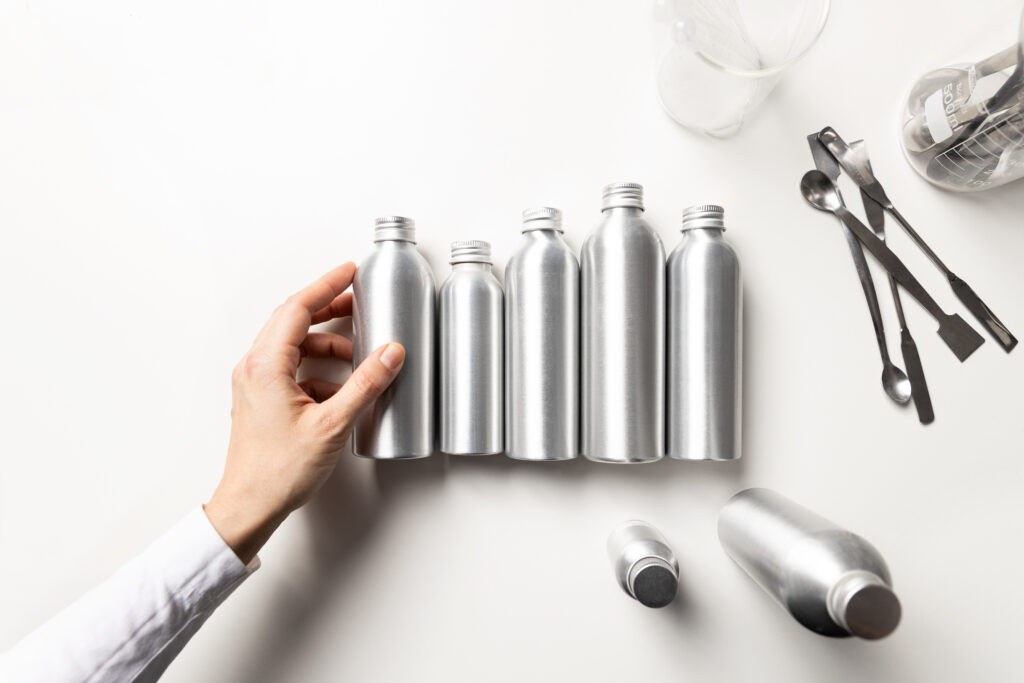
Customization of packaging is essential for creating a unique brand identity in private-label skincare products. Your chosen manufacturer should provide specialized design services to support your brand in creating a striking visual presence. Developing your own packaging, ranging from eco-conscious, compostable materials to ultra-luxurious glass jars, ensures your products stand out on crowded retail shelves and digital storefronts. Work closely with your partner to align your aesthetic with the expectations of your target demographic, ensuring the final presentation reflects a premium tier.
Step 5. Navigate Global Compliance and Testing
A reputable international brand must achieve total regulatory compliance before entering the retail market. Launching skincare brands typically involves understanding complex regulatory requirements, including compliance with FDA regulations for products that fall under over-the-counter (OTC) categories, such as sunscreens or acne therapies.
If you plan to target the lucrative European market, your formulations must fully comply with strict EU cosmetic regulations and be registered on the Cosmetic Products Notification Portal (CPNP). In tandem with regulatory paperwork, your manufacturer must conduct extensive safety, stability, and compatibility testing to guarantee your items remain completely effective throughout their shelf life.
Step 6. Scale and Diversify into a Full Range
Building an enduring beauty empire requires looking beyond a single standalone product. Private-label skincare products can include a wide range of categories such as cleansers, moisturizers, serums, masks, and treatments, allowing brands to offer comprehensive skincare solutions.
Expanding your portfolio into a full range of products enables you to capture a larger share of the market, cross-sell effectively, and compete directly with established brands. Partnering with a versatile manufacturer capable of scaling production across multiple categories guarantees that your entire line remains structurally cohesive, beautifully finished, and completely ready to conquer the global beauty sector.
Partnering with a versatile manufacturer capable of scaling production across multiple categories guarantees that your entire line remains structurally cohesive, beautifully finished, and completely ready to conquer the global beauty sector. As a trusted partner supporting brands globally from its facility near Poznań, NISHA Manufacturing provides the precise cross-category expertise, extensive raw material library, and comprehensive end-to-end support needed to seamlessly turn this multi-category vision into a premium market reality.